
Built for companies between twenty and one hundred employees.
Below that size, a facility often does not yet have the layered production stages where a formal method pays off. Above it, companies usually have internal staff already trained in these methods, or a dedicated improvement function. The middle range is where a two-day, on-site intensive tends to fit best.
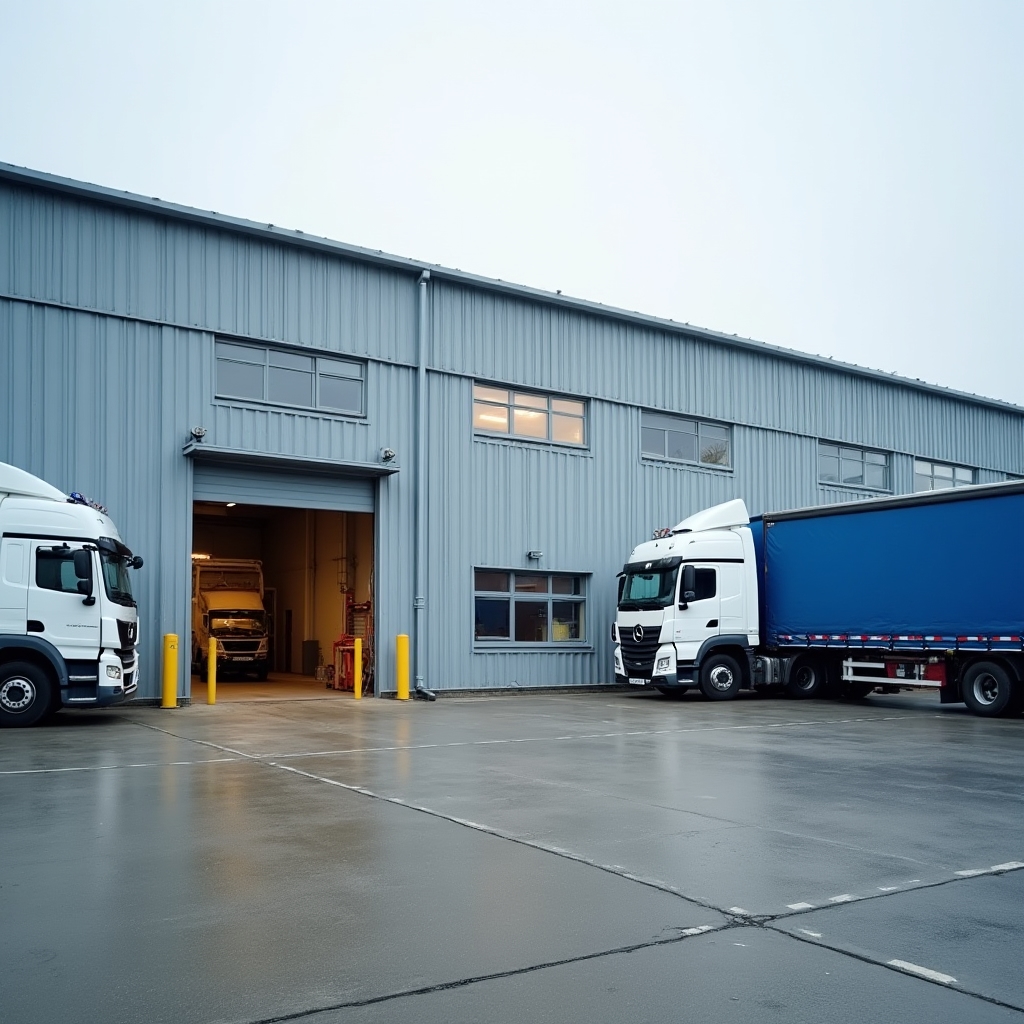
A workshop, not a consulting engagement
There is a meaningful difference between a workshop and management consulting, and it shapes everything about how these two days run. A consulting engagement typically involves an outside team studying your operation, producing a report, and recommending changes for your staff to implement afterward. It can take weeks or months, and the knowledge often stays concentrated with the consultants.
This is structured differently. The two days are built around your team doing the mapping, the measuring, and the board-building themselves, with facilitation rather than direction. By the end, the methods live with the people who run the line day to day, not in a document that gets filed away. There is no lasting dependency on us to keep the system running.

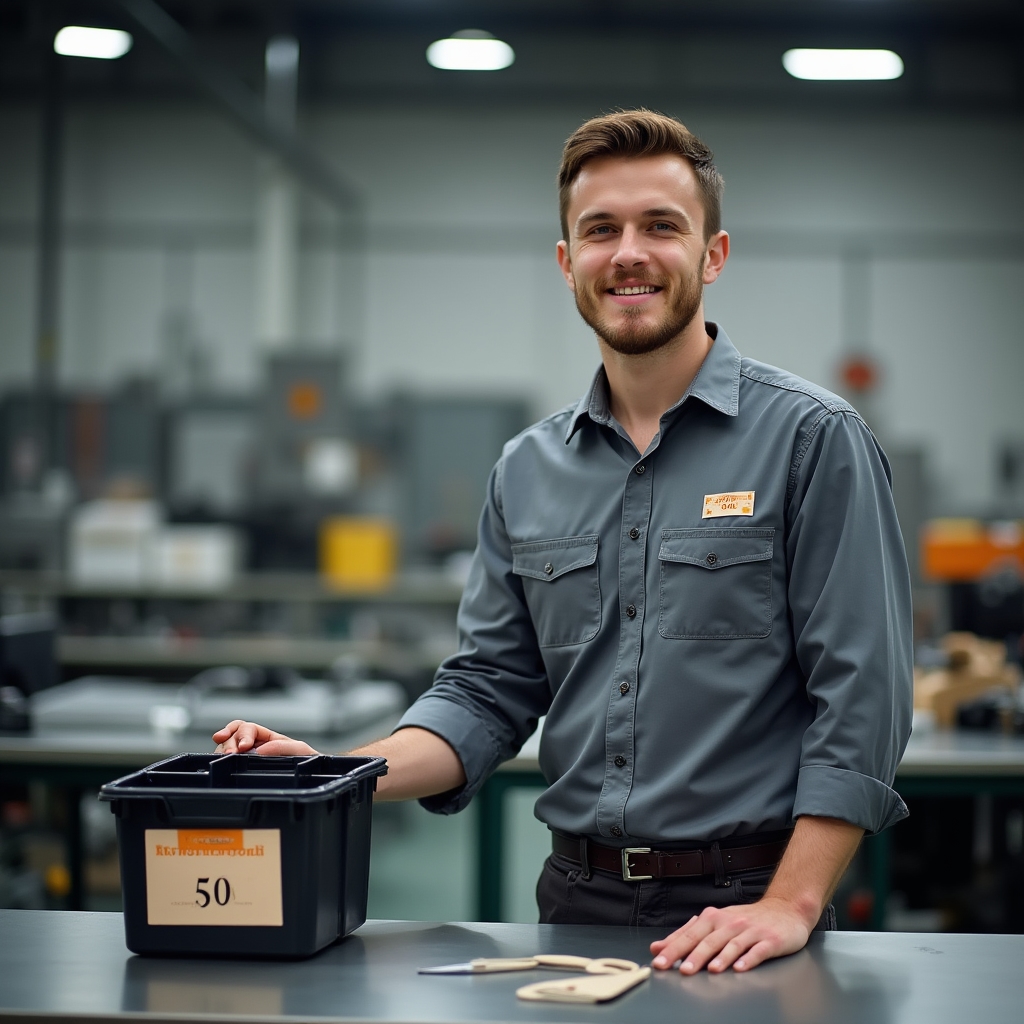
Why size matters for the method
A twenty-person operation and a ninety-person operation face different constraints, even if both count as SMEs. Smaller shops often have a single line and a flatter management structure, which means decisions about a new Kanban rule can be made and tested the same afternoon. Larger operations in this range usually run multiple lines or shifts, and coordinating a workflow map across all of them takes a bit more planning, though the ninety-minute mapping exercise itself stays largely the same per line.
What stays consistent across the range is the absence of a dedicated continuous improvement department. That is the practical reason this format exists: someone on staff, often a production manager or a senior operator, ends up owning these methods after the workshop, rather than a specialist team.
Questions worth answering internally first
These are not eligibility requirements, just questions that tend to make the initial conversation more useful.
Who can be present for both days?
The exercises depend on input from people who actually run the line, ideally including at least one supervisor and two or three operators.
Can the line pause briefly during mapping?
The whiteboard exercise does not require stopping production, but a short window without urgent deadline pressure makes the discussion easier.
Is there a wall or board space available?
A Kanban system needs a visible, accessible location near the relevant stations. Identifying that space in advance saves time.
Who will own the 5S audit afterward?
Naming this person before the workshop, even provisionally, tends to make the sustain planning module more concrete.
Has 5S or Kanban been tried here before?
Not a requirement either way, but knowing the history helps us understand what to build on or work around.
Considering a workshop for your facility?
The most useful next step is usually a short exchange about your line size, shift pattern, and what you would want the two days to focus on.
Informational exchange only, no commitment implied.