
Find the bottleneck before month-end does.
We run structured, two-day lean process workshops for Czech manufacturing companies with twenty to one hundred employees. No slideshows about theory. We map your actual production line on a whiteboard, locate where it clogs, and show your team how to keep it visible after we leave.
Held in your facility. Not management consulting.



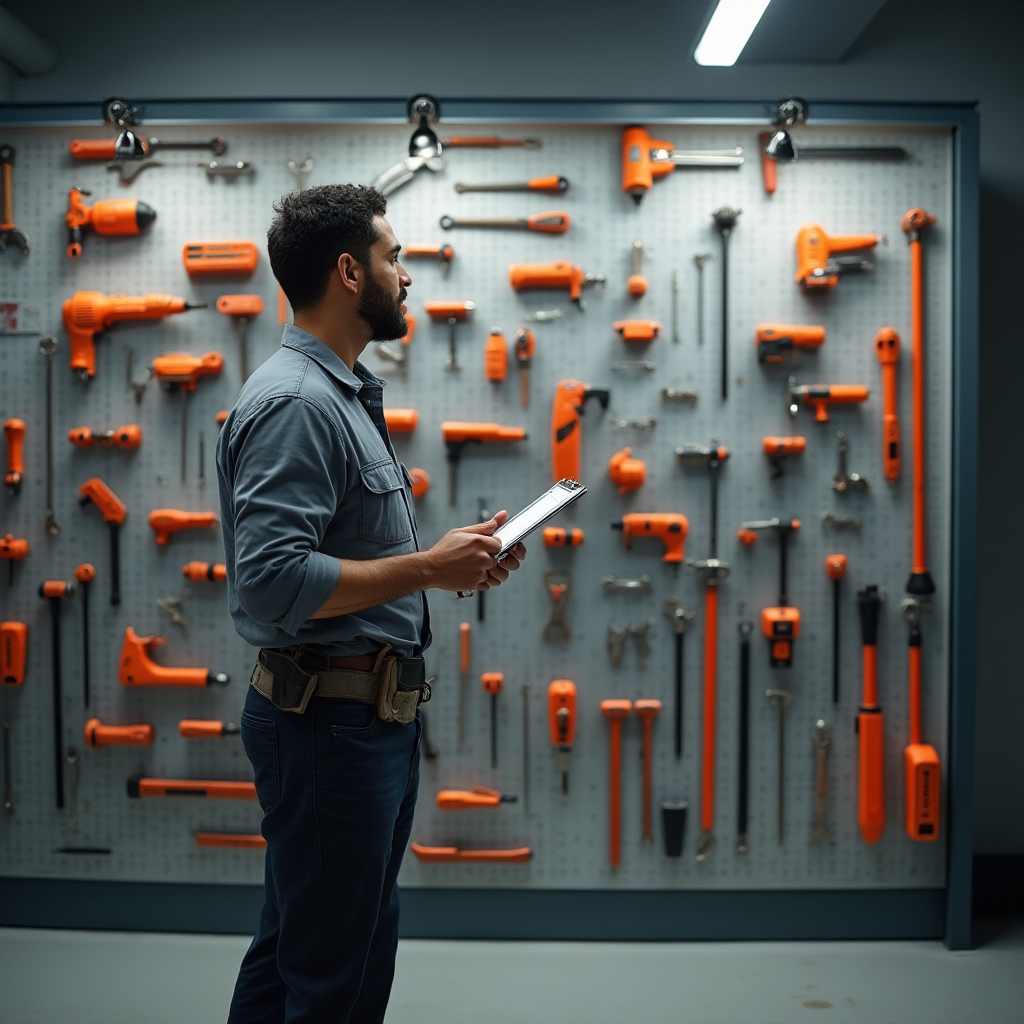

Four questions we get asked before every workshop.
Most plant managers who contact us have already read about lean manufacturing. What they usually want to know is whether it applies to a smaller operation without a dedicated improvement team, and whether it will actually survive contact with a real production schedule.
Can a workflow really be mapped on a whiteboard in under two hours, or is that a simplification for a sales page?
Does a Kanban system need software, tablets, or a barcode scanner to function on a factory floor?
What exactly should be measured to find material waste that nobody currently tracks?
Why do so many 5S boards look perfect in week one and disappear by month two?
Six things this workshop is designed to do
Each intensive is structured around practical outcomes rather than theory. Below is what participants typically leave with, described plainly.
A workflow map your team draws
Not a template we hand over. A whiteboard diagram built by your own operators and supervisors, showing every station in the sequence they actually run in.
One identified bottleneck
The exercise is timed at roughly ninety minutes because that is usually enough to expose where work queues up, without turning into an all-day audit.
A Kanban board that needs no login
Physical cards, colored magnets, or painted floor squares. A system a night-shift worker can read at a glance without opening an app.
A measurement nobody was taking
Most material waste hides in categories companies never track separately, like offcuts, rework, or setup scrap. We help identify what to log first.
A 5S structure built to last past week six
We spend as much time on the maintenance routine as on the initial sort and set-in-order, since that is usually where implementations quietly stop.
Exercises done on your floor, by your people
Everything happens in your facility, with your equipment and your shift patterns, so the methods are tested against your reality, not a case study.
What the two days actually cover
The intensive is organized into modules that build on each other. Expand any of them for detail on what happens and what your team walks away with.
The first block puts your team in front of a blank whiteboard, not a printed template. We ask supervisors and operators to draw the production sequence exactly as it runs today, station by station, including the parts nobody likes to mention: the manual rework loop, the shared machine, the pallet that always waits by the door. Once the map exists, we time how long a unit sits at each stage versus how long it is actually worked on. In most facilities of this size, the gap points directly at a bottleneck within about ninety minutes, without needing digital tracking tools.
A Kanban board works on a factory floor for a simple reason: it is visible from ten meters away and needs no password. We cover how to size a physical card system to your actual work-in-progress limits, how colored cards or bins can signal reorder points without a scanner, and where a paper-based board tends to break down as volume grows. The goal is a system your least tech-comfortable team member can operate correctly on their first shift.
Most SMEs track finished output and raw material purchases, but rarely the space between the two. This module walks through simple, low-cost ways to log offcuts, setup scrap, and rework at the point where they occur, using a clipboard and a scale rather than new software. We discuss which categories tend to reveal the largest gaps first and how to decide what is worth measuring given limited staff time.
Sort, set in order, shine, standardize, sustain. The first three are relatively easy and photograph well. The pattern we see repeatedly is that implementations look sharp for the first few weeks, then quietly slide back once the initial enthusiasm fades and nobody owns the audit step. This session focuses heavily on the standardize and sustain pillars, including who checks the board, how often, and what happens when a shelf slips back into disorder.
Everything above happens on your floor, using your equipment, your layout, and your actual shift crew, rather than in a rented meeting room using a generic case study. This is deliberate: methods that look clean on a slide sometimes fall apart against a real machine change-over or an irregular supplier delivery. Testing them where they will be used means fewer surprises after the workshop ends.
The final block is about handover, not a summary slide. Your team leaves with the whiteboard map photographed and documented, a working Kanban board sized for your line, a simple waste log format, and a written 5S audit checklist assigned to a named person. Nothing depends on a subscription or a login that stops working after the engagement ends.
Not sure if a two-day format fits your operation?
Some facilities need the full workflow mapping and Kanban setup. Others already have parts of this in place and want the waste measurement or 5S sustain modules specifically. A short conversation is usually enough to work out which parts apply.
We reply by email, typically within a few working days.